

Blog
How to Avoid Yarn Knots Crochet: 5 Techniques That Actually Work

Crocheting should be a relaxing and creative experience, but yarn knots can quickly turn it into a frustrating ordeal. If you’ve ever found yourself battling stubborn knots mid-project, you’re not alone. Let’s dive into some practical and proven techniques to help you keep your yarn smooth and your creativity flowing.
Table of Contents
- Understanding Yarn Knots
- Step 1: Choose the Right Yarn
- Step 2: Perfect Your Yarn Storage
- Step 3: Use a Yarn Bowl
- Step 4: Master the Tension
- Step 5: Regularly Check for Knots
- Product Recommendations
- Freebies and More
- FAQs
Understanding Yarn Knots
Yarn knots can occur for a variety of reasons, from improper storage to the type of yarn you’re using. These pesky tangles can disrupt the flow of your project, causing unnecessary stress and time loss. Here’s how you can outsmart them and ensure a smooth crocheting journey.
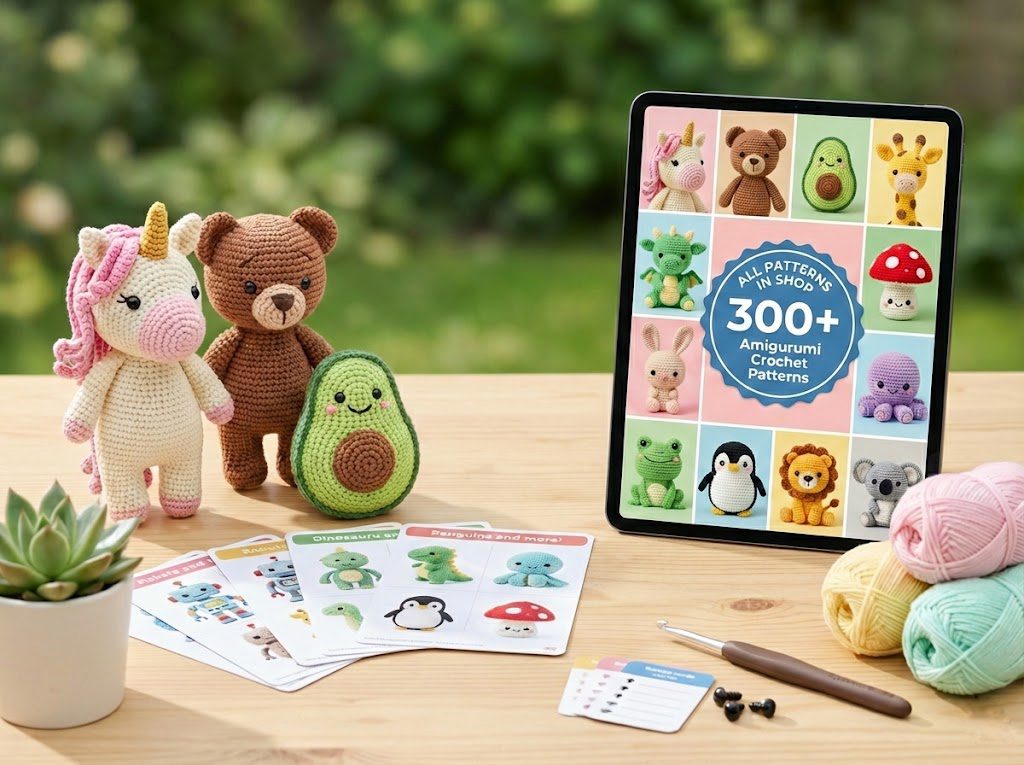
300 Amigurumi Crochet PDF Patterns
Only $24.95
The ultimate collection of 300 amigurumi patterns for all skill levels. Pay once, crochet forever — that’s just $0.083 per pattern.
Step 1: Choose the Right Yarn
The type of yarn you use plays a significant role in knot prevention. Some yarns are more prone to tangling than others.
- Opt for high-quality yarn: Cheaper yarns often have loose fibers that catch and tangle.
- Consider yarn weight: Lighter yarns tend to knot less compared to bulky ones.
Step 2: Perfect Your Yarn Storage
Proper storage is crucial in preventing yarn knots. How you store your yarn can make a massive difference.
- Use yarn cones: They keep your yarn neat and reduce tangling.
- Store in a dry place: Moisture can cause fibers to stick together, leading to knots.
Step 3: Use a Yarn Bowl
A yarn bowl is more than just a pretty accessory. It keeps your yarn in place and prevents it from rolling around and tangling.
- Choose a smooth bowl: Ensure there are no rough edges that could snag your yarn.
- Position it correctly: Place it on a stable surface to keep the yarn flowing smoothly.
500,000+ Ultimate SVG Mega Bundle
Only $29.99
Rated 4.96/5 stars by 26+ crafters — the most complete SVG library for Cricut.
Step 4: Master the Tension
Proper tension control is key to avoiding knots. Too loose or too tight can both cause issues.
- Practice makes perfect: Regular practice can help you find the right balance.
- Use a tension guide: It can help maintain consistent tension throughout your project.
Step 5: Regularly Check for Knots
Being proactive can save you a lot of headaches down the line. Regular checks can help catch knots before they become a problem.
- Inspect your yarn: Before starting, run your fingers through the yarn to feel for any pre-existing knots.
- Pause and check: Every few rows, take a moment to check the yarn for tangles.
Product Recommendations
Whether you’re a seasoned crocheter or just starting, having the right tools is essential. Explore our crochet patterns to find your next project. Our SVG files for Cricut also offer endless crafting possibilities.
Freebies and More
🎁 Get FREE SVG Files Today!
Before you spend a dime, grab our collection of free SVG designs. Perfect for testing your Cricut or Silhouette machine with how to avoid yarn knots crochet projects.
FAQs
Q: What type of yarn is less likely to knot?
A: Smooth, high-quality yarns like cotton or silk are less prone to knotting compared to fuzzy yarns.
Q: How can I fix a yarn knot while crocheting?
A: Gently untangle the knot with your fingers or a crochet hook, taking care not to pull too hard.
Q: Is a yarn bowl necessary?
A: While not necessary, a yarn bowl can be incredibly helpful in keeping your yarn from tangling.
Q: How often should I check for knots?
A: It’s a good idea to check every few rows to catch knots early.
Q: Can I use any crochet hook with any yarn?
A: It’s best to use the crochet hook size recommended for your specific yarn to maintain tension and prevent knots.