

Blog
How to Read a Crochet Pattern: A Beginner’s Guide to Unlocking Your Creative Potential

How to Read a Crochet Pattern: A Beginner’s Guide to Unlocking Your Creative Potential
Learning how to read a crochet pattern is an essential skill for anyone looking to delve deeper into the world of crochet. Whether you’re a complete beginner or have some experience, understanding crochet patterns opens up a world of creative possibilities. In this guide, we’ll walk you through everything you need to know, from deciphering symbols to understanding instructions, so you can confidently tackle any project.
Table of Contents
- Understanding the Structure of a Crochet Pattern
- Common Terms and Abbreviations
- Step-by-Step Guide to Reading Crochet Patterns
- Tips for Success
- Frequently Asked Questions
Understanding the Structure of a Crochet Pattern
Crochet patterns are like blueprints for your projects. They consist of a series of instructions, usually written in abbreviations, that guide you through the creation process. Typically, a pattern will include the following sections:
- Materials: Lists the yarn, hook size, and any additional tools needed.
- Gauge: Provides the measurements for stitches and rows, ensuring your project will be the correct size.
- Instructions: The step-by-step guide to completing the project.
- Finishing: Details how to assemble and finish your project.
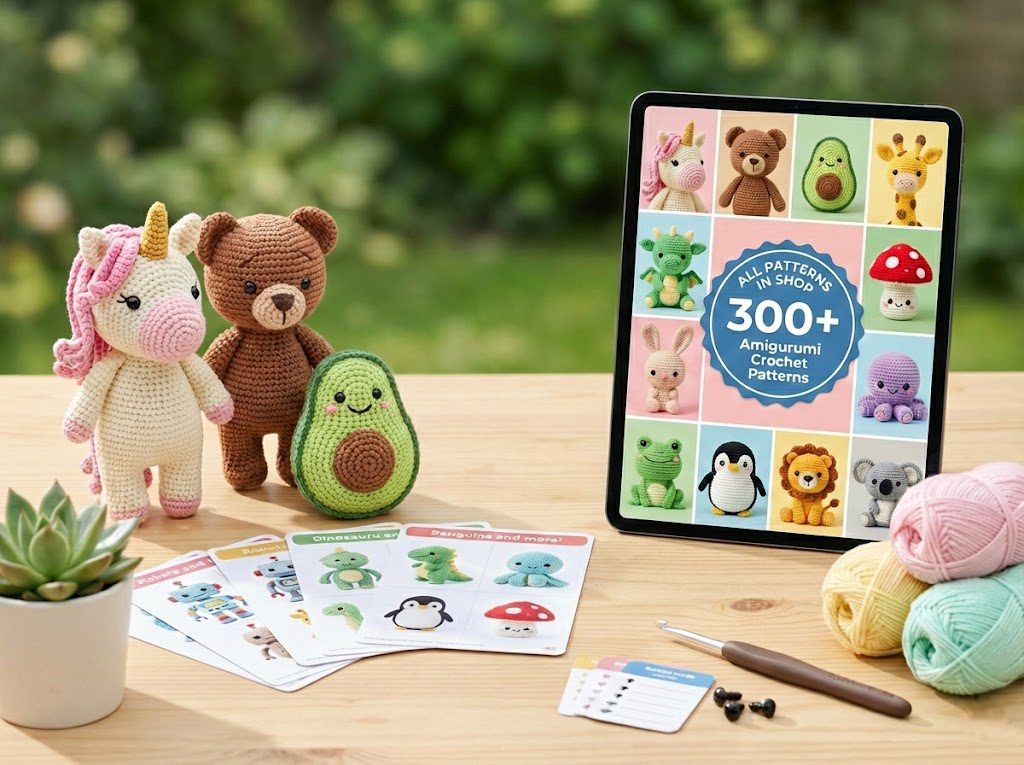
300 Amigurumi Crochet PDF Patterns
Only $24.95
The ultimate collection of 300 amigurumi patterns for all skill levels
Common Terms and Abbreviations
One of the first hurdles in learning how to read a crochet pattern is understanding the abbreviations and terms used. Here are some of the most common:
- ch: Chain
- sc: Single Crochet
- dc: Double Crochet
- st: Stitch
- rep: Repeat
These abbreviations help keep the pattern concise and easy to follow once you get the hang of them.
Step-by-Step Guide to Reading Crochet Patterns
Step 1: Familiarize Yourself with the Pattern Layout
Begin by reading through the entire pattern to get a sense of the project. Note any special stitches and techniques that you might need to learn.
- Highlight unfamiliar terms and look them up in a crochet glossary.
- Check the pattern’s difficulty level to ensure it matches your skill set.
Step 2: Gather Your Materials
Ensure you have all the materials listed in the pattern, including the correct yarn weight and hook size. The right tools are crucial for achieving the intended results.
- Double-check your stash to avoid unnecessary purchases.
- Consider the color and texture of your yarn for a personalized touch.
Step 3: Understand the Gauge
Gauge is a critical yet often overlooked aspect of crochet patterns. It ensures that your finished project is the correct size.
- Use the recommended hook and yarn to make a swatch.
- Adjust your hook size if your swatch is too large or small.
Step 4: Follow the Instructions Carefully
Proceed with the pattern, following each step meticulously. Use stitch markers to help keep track of your place in complex patterns.
- Tick off each row as you complete it.
- Don’t hesitate to unravel and redo a section if needed.
Tips for Success
Reading crochet patterns becomes easier with practice. Here are some tips to help you succeed:
- SVG files for Cricut can be a great source of inspiration for your crochet designs.
- Keep a crochet journal to note down patterns you have mastered and techniques you have learned.
- Join online crochet communities to share experiences and seek advice.
🎁 Get FREE SVG Files Today!
Before you spend a dime, grab our collection of free SVG designs. Perfect for testing your Cricut or Silhouette machine with how to read a crochet pattern projects.
Frequently Asked Questions About how to read a crochet pattern
What does “dc” mean in a crochet pattern?
“dc” stands for double crochet, a common stitch in crochet patterns.
How do I adjust the size of my crochet project?
Adjust the gauge by changing the hook size or yarn weight to alter the project’s size.
Why is my crochet project not turning out right?
Check your gauge and pattern instructions for errors. Ensure you’re using the correct materials.
Can I use a different type of yarn than recommended?
Yes, but be aware it may affect the size and texture of your project. Always check your gauge.
How do I keep track of my place in a pattern?
Use stitch markers and a row counter, and mark off completed sections as you go.